
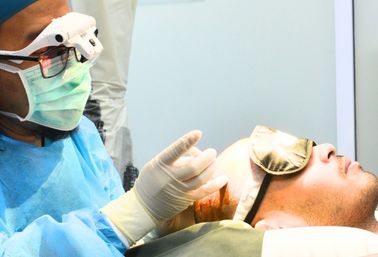
New Technology Hair Restoration Services
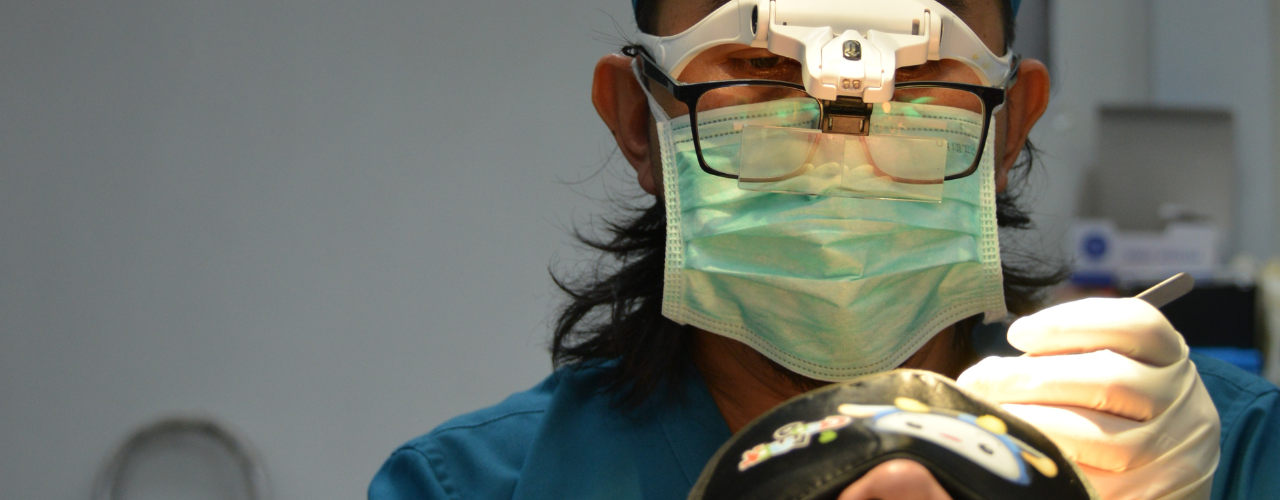
Hair restoration has changed dramatically.
Not long ago, hair loss treatment was limited to basic medications, older transplant techniques, and cosmetic solutions. Today, advances in medical technology have opened the door to more precise diagnosis, better treatment planning, improved graft handling, and highly personalized hair restoration.
At Dr Ruz Hair Transplant, modern hair restoration starts with understanding your hair and scalp. Technology can provide better information, but the right treatment still depends on accurate diagnosis, careful planning, and realistic expectations.
From advanced hair analysis and precision FUE techniques to regenerative treatments, light-based therapy, and non-surgical scalp solutions, modern hair restoration offers more choices than ever.
Most importantly, these technologies are not about using the newest device simply because it is new. Instead, the goal is to choose the technology or treatment approach that makes sense for your individual hair loss.
Why New Technology Matters in Hair Restoration
Hair loss is not the same for everyone.
Some people develop gradual male pattern hair loss. Others experience diffuse thinning, patchy hair loss, scalp conditions, or hair loss after surgery or injury. Therefore, a treatment that works well for one person may not be suitable for another.
Modern technology helps doctors look at hair loss in greater detail.
For example, digital imaging can measure hair density and hair thickness. Likewise, trichoscopy can reveal changes that may not be obvious during a normal scalp examination. These tools can help create a clearer picture of what is happening beneath the surface.
As a result, hair restoration can move away from guesswork and toward a more measured, personalized approach.
That matters because your existing hair is valuable.
A good hair transplant should not only improve areas that have already lost hair. It should also consider the hair that you still have and how it may change in the future.
Advanced Hair and Scalp Diagnosis
Before choosing a hair transplant or medical hair treatment, it is important to understand the cause and pattern of your hair loss.
Modern digital diagnostic tools make this process more detailed.
Digital Hair Analysis
Advanced phototrichogram systems can measure important hair characteristics. These include:
Hair density
Hair shaft thickness
Hair growth rate
The percentage of growing and resting hairs
These measurements can provide objective information instead of relying only on visual impressions. The source article reports operator correlations of approximately 91% to 97% for automated phototrichogram measurements.
That information can also become useful over time.
For instance, if you receive medical hair loss treatment, repeated assessments may help track changes in hair density and caliber. Therefore, technology can support not only diagnosis but also treatment monitoring.
High-Resolution Trichoscopy
Your scalp can reveal a lot about your hair health.
High-resolution videodermoscopy, also called trichoscopy, allows detailed examination of the scalp and hair shafts without surgery. Depending on the system, digital devices can provide significant magnification for closer assessment.
Trichoscopy can help identify features such as:
Hair shaft miniaturization
Differences in hair shaft thickness
Black dots
Yellow dots
Changes around the hair follicle
Other visible scalp and hair patterns
Consequently, a detailed scalp examination can help create a more informed hair restoration plan.
For patients considering a hair transplant, this can be particularly valuable. It allows the treatment team to assess the relationship between existing hair, thinning areas, and potential donor hair.
Technology-Assisted FUE Hair Transplant
Follicular Unit Extraction, or FUE hair transplant, has become one of the most important developments in modern hair restoration.
Instead of removing a strip of scalp, FUE involves extracting individual follicular units from the donor area. The concept relies on donor dominance, meaning suitable follicles from the donor region can retain their original characteristics after being transplanted into areas affected by hair loss.
However, FUE is more than simply removing individual grafts.
Precision matters at every stage.
The direction of each follicle can vary beneath the skin. Therefore, harvesting requires careful attention to follicle angle, depth, direction, and surrounding tissue.
Motorized and Specialized FUE Systems
Technology has helped improve the mechanics of follicular unit extraction.
Systems such as the SAFE approach were developed to reduce the risk of damaging follicles during extraction. The technology uses specialized motorized or oscillating punches designed to help separate follicular units while reducing unnecessary trauma. The source describes reported graft transection rates that can be below approximately 5% to 6% in appropriate settings.
This is important because every healthy graft counts.
Your donor area is a limited resource. Therefore, careful harvesting can play an important role in protecting donor supply for both your current procedure and your future hair restoration needs.
Robotic Hair Transplant Technology
Robotic systems represent another major development in FUE hair transplantation.
The ARTAS® system, for example, uses computer-assisted image guidance to identify and select donor follicles. According to the source article, the system uses high-definition imaging and algorithms to evaluate characteristics such as follicle position, orientation, angle, depth, caliber, and grouping.
This type of technology can support precision during graft harvesting.
However, technology does not replace medical judgment.
A successful hair transplant still requires appropriate patient selection, donor assessment, hairline design, graft management, and aesthetic planning. In other words, a sophisticated machine is only one part of the process.
Pneumatic FUE and Reduced Graft Handling
Some modern FUE systems use controlled suction to assist with graft extraction.
The source describes systems such as NeoGraft™ that use pneumatic technology to help extract follicular units and assist with graft placement. This approach can reduce unnecessary handling and limit the amount of time grafts remain outside the body.
That matters because transplanted follicles are delicate.
The less unnecessary trauma a graft experiences, the better the conditions for careful transplantation.
Therefore, modern hair transplant technology increasingly focuses not only on extraction but also on protecting the graft throughout the entire procedure.
Non-Shaven FUE Hair Transplant
For some patients, the idea of shaving the donor area can be a major concern.
Advanced non-shaven FUE techniques can offer another option for selected patients. According to the source, individual donor hairs may be trimmed to a short length while surrounding hair remains unshaven. Specialized punches can then be used to extract selected follicular units.
This approach may reduce the visible signs of a procedure.
Nevertheless, non-shaven FUE is not automatically the best choice for everyone. The suitability depends on factors such as donor density, hair characteristics, graft requirements, and the treatment plan.
A personalized assessment should always come first.
Large-Session Hair Transplant Planning
Modern FUE technology can also support larger transplant sessions.
The source describes “gigasessions” involving thousands of follicular units. When a procedure involves a large number of grafts, careful organization becomes essential. Digital graft counters can help teams track graft numbers and categorize one-, two-, and three-hair follicular units.
This type of digital tracking can improve organization during complex procedures.
Still, bigger does not always mean better.
A natural-looking hair transplant depends on more than the number of grafts transplanted. The surgeon must also consider donor availability, hairline design, density, graft distribution, existing hair, and long-term hair loss.
Low-Level Laser and Light Therapy
Not every patient needs surgery.
Low-Level Laser Therapy, commonly called LLLT or photobiomodulation, is a non-invasive technology used in hair restoration. It uses low-intensity red light to influence cellular activity within the follicular environment.
The source explains that red light can interact with cytochrome c oxidase within mitochondria. This process may influence energy production, cellular signaling, and growth-related pathways. LLLT has also been studied for its potential role in supporting the transition of follicles into the active growth phase.
For some patients, light therapy may be considered as a standalone treatment.
For others, it may complement medical hair loss treatment or a hair transplant plan.
Clinical studies described in the source have reported increases in terminal hair density compared with sham treatment over several months.
The key point is simple: LLLT is another tool in the modern hair restoration toolbox.
Advanced Laser Applications
Laser technology can also have more specialized applications.
For example, the source discusses 308 nm excimer laser treatment in certain autoimmune scalp conditions. It also describes the use of long-pulsed 1064 nm Nd:YAG laser technology for selected hairline refinement applications.
These technologies are highly specific.
Therefore, they should not be viewed as general hair growth treatments for everyone. Instead, their potential use depends on the patient’s diagnosis and clinical needs.
PRP Hair Treatment and Regenerative Hair Restoration
Regenerative medicine is another exciting area of modern hair restoration.
Platelet-Rich Plasma, or PRP hair treatment, uses a patient’s own blood. The blood is processed to concentrate platelets, and the resulting plasma is injected into areas of the scalp affected by thinning hair.
Platelets contain a variety of growth factors and signaling proteins.
These include PDGF, TGF-beta, FGF, IGF, VEGF, EGF, and KGF. These substances may influence cellular activity, blood supply, and the environment around hair follicles.
Clinical studies described in the source report measurable changes in hair shaft caliber and terminal hair density following serial PRP treatments.
Even so, PRP is not a magic solution.
The results can vary between patients. Furthermore, the underlying cause and stage of hair loss matter. A proper assessment should determine whether PRP makes sense as part of your hair restoration plan.
Microneedling for Hair Restoration
Microneedling is another minimally invasive technique used in modern hair treatment.
The treatment creates controlled microscopic punctures in the skin. This process can activate the body’s wound-healing response and stimulate local signaling pathways. It may also help improve the delivery of selected topical treatments through the skin barrier.
For that reason, microneedling may be considered as part of a broader hair loss treatment program.
However, the technique should be performed appropriately. Your scalp condition, hair loss pattern, and treatment goals should guide the choice of treatment.
The Future of Hair Restoration: Cell Therapy
Perhaps the most exciting area of research is regenerative cell therapy.
Hair follicles are complex mini-organs. They contain different populations of cells that work together to control the hair growth cycle. Research into follicular stem cells and dermal papilla cells has therefore created interest in future treatments that may stimulate or restore follicular activity.
You may have heard the phrase “hair cloning.”
In simple terms, researchers are exploring whether cells from donor follicles can be expanded and used to stimulate hair growth elsewhere.
The research process is complex. It can involve harvesting donor cells, expanding specific cell populations in controlled laboratory conditions, preserving their hair-inducing properties, and investigating how those cells behave after reintroduction.
This field remains an area of continuing development.
Therefore, patients should be careful with claims that promise guaranteed commercial “hair cloning” today. The future may be very promising, but emerging science should always be separated from established clinical treatments.
New Developments in Hair Loss Medication
Technology is also changing the way researchers approach hair loss medication.
Traditional treatments can work through well-known biological pathways. However, researchers continue to investigate more targeted approaches.
For example, the source discusses finasteride and the more comprehensive DHT suppression provided by dutasteride. It also identifies emerging targets involving prostaglandins, thyroid-related pathways, hypoxia signaling, and JAK pathways.
Some of these treatments are established for particular conditions, while others remain under investigation or have specific medical indications.
Consequently, patients should never assume that a new molecule is automatically a better treatment.
The right medication depends on your diagnosis, medical history, risk profile, and treatment goals.
Targeted Drug Delivery
Another area of innovation involves how medication reaches the hair follicle.
Traditional topical products can have limitations involving penetration and absorption. Researchers are therefore exploring delivery systems using liposomes, lipid nanoparticles, and other microscopic carriers.
The goal is to deliver active ingredients closer to the follicle while potentially reducing unwanted exposure elsewhere.
This approach may become increasingly important as hair restoration moves toward more targeted and personalized treatment.
Gene Therapy: A Future Possibility
Gene therapy represents an even more advanced area of research.
Researchers are studying whether molecular pathways involved in hair follicle development and cycling can be modified. Experimental approaches have investigated pathways involving androgen signaling, 5-alpha-reductase, Wnt/beta-catenin, and Sonic Hedgehog.
However, this is an important distinction:
Gene therapy for hair loss remains a research frontier.
It should not be presented as a routine hair transplant replacement.
Instead, it represents the long-term possibility of treating hair loss at a deeper biological level.
Scalp Micropigmentation for Advanced Hair Loss
Sometimes surgery is not the right answer.
Patients with extensive hair loss, limited donor hair, certain scars, or advanced alopecia may benefit from non-surgical cosmetic options. Scalp Micropigmentation, or SMP, is one such option.
SMP uses carefully placed pigment dots to create the visual appearance of natural hair follicles.
When performed with appropriate technique, pigment placement can help create the appearance of a closely shaved hairstyle. It can also reduce the contrast between the scalp and existing hair in people with diffuse thinning.
SMP may also help camouflage certain FUE or FUT scars.
Therefore, scalp micropigmentation can be a valuable part of a comprehensive hair restoration strategy, particularly when surgical donor resources are limited.
Hair Fibers and Advanced Hair Systems
Technology is not limited to medical procedures.
Modern cosmetic hair solutions can provide immediate visual improvement while a medical treatment plan is working.
Hair fibers and concealers can attach to existing hair shafts, increasing the appearance of density and reducing visible scalp. For people with extensive or complete hair loss, custom cranial prostheses and hair integration systems can provide immediate cosmetic coverage.
These options can be especially useful when a patient wants a non-surgical solution.
Moreover, they can sometimes complement medical or surgical hair restoration rather than replace it.
The Best Technology Is the Right Technology for You
Technology can be impressive.
Yet, the most advanced technology is not necessarily the best treatment for every patient.
Your hair restoration plan should consider several factors, including:
The cause of your hair loss
Your current hair density
Hair shaft thickness
Donor hair availability
Scalp condition
Your age and long-term hair loss pattern
Previous hair transplant procedures
Your desired appearance
Your lifestyle and recovery preferences
Your expectations
Once these factors are understood, technology can become much more useful.
For example, one patient may benefit from medical hair loss treatment and monitoring. Another may need FUE hair transplantation. Someone else may be better suited to PRP, LLLT, SMP, or a combination of approaches.
That is why modern hair restoration is becoming increasingly personalized.
A Multi-Therapy Approach to Hair Restoration
Hair loss rarely has a single perfect answer.
Instead, modern treatment can combine different technologies and strategies according to the patient’s needs.
A personalized hair restoration plan may involve:
Diagnosis + Medical Treatment + Hair Restoration Surgery + Regenerative Support + Long-Term Monitoring
Each component has a different purpose.
Digital diagnostics help us understand the hair. Medical treatment can help protect and support existing follicles. FUE technology can restore hair to suitable areas. Regenerative approaches may provide additional support for selected patients. Meanwhile, SMP and other cosmetic solutions can improve the appearance when surgery is not suitable.
As a result, the focus shifts from simply “getting a hair transplant” to creating a complete hair restoration strategy.
Why Choose a Technology-Focused Hair Restoration Approach?
Choosing a hair transplant clinic is about more than choosing a procedure.
You are trusting someone with your appearance, your donor hair, and your long-term hair restoration options.
That is why technology should support—not replace—medical judgment.
At Dr Ruz Hair Transplant, the modern approach to hair restoration is built around understanding your individual needs before deciding which treatment pathway is appropriate.
The objective is not simply to add more hair.
Instead, the goal is to create a result that looks natural, fits your facial features, respects your donor supply, and makes sense for your future.
Technology can improve precision.
Good planning creates natural results.
And careful medical guidance helps make those results more meaningful over the long term.
Start With Your Hair, Not a Device
You may see advertisements for robotic hair transplants, laser treatments, PRP, stem cells, hair cloning, or other new technologies.
It is easy to assume that the newest technology must automatically produce the best result.
However, hair restoration does not work that way.
Your diagnosis comes first.
Your donor supply matters.
Your existing hair matters.
Your future hair loss matters.
Then, once those factors are understood, the right technology can become part of the solution.
At Dr Ruz Hair Transplant, the focus is on creating a treatment strategy that is understandable, realistic, and tailored to your individual hair restoration goals.
Whether you are dealing with early hair thinning, advanced male pattern hair loss, female hair thinning, a receding hairline, or previous transplant concerns, a detailed assessment can help identify your options.
New Technology. Better Information. More Personalized Hair Restoration.
Modern hair restoration has moved far beyond the old “one procedure fits all” approach.
Today, advanced digital diagnostics can measure hair characteristics. Precision FUE systems can assist with follicular extraction. Robotic technology can support image-guided harvesting. Light-based treatments can provide non-invasive photobiomodulation. PRP and microneedling offer additional regenerative approaches. Meanwhile, cell therapy and gene therapy research may shape the future of hair restoration.
At the same time, non-surgical solutions such as scalp micropigmentation, hair fibers, and advanced hair systems can provide valuable cosmetic options for patients who are not suitable for transplantation.
The future of hair restoration is therefore not about one machine or one procedure.
It is about combining the right technology, medical knowledge, precision, and aesthetic planning for the right patient.
Your hair loss is personal. Your treatment should be personal too.
If you are considering a hair transplant or exploring new technology hair restoration services, the best first step is a professional assessment. Understanding your hair and scalp today can help you make a more confident decision about your hair restoration journey.