
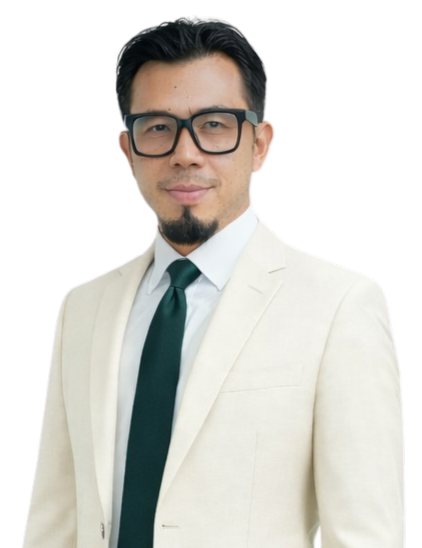
Personalised Hair Restoration. Precision. Long-Term Planning.
Choosing a hair transplant is an important decision. It is not simply about adding hair to an area that has become thinner. It is about understanding why the hair has been lost, assessing what can realistically be restored, protecting the available donor supply, and creating a result that continues to look natural as you age.
At Dr Ruz Hair Transplant, this philosophy guides every stage of treatment.
Dr Ruz takes a personalised approach to hair restoration, combining modern hair transplantation techniques with medical and regenerative approaches where appropriate. His focus is on understanding each patient’s individual hair loss pattern and developing a treatment strategy around their needs, expectations, and long-term goals.
Whether a patient requires FUE hair transplantation, DHI/GII implantation, medical hair restoration, regenerative treatment, or a combination of approaches, the objective remains the same: to provide carefully planned hair restoration with a natural-looking and sustainable result.
A Different Approach to Hair Restoration
Hair loss is not the same for everyone.
Some patients develop a receding hairline. Others experience thinning across the crown or mid-scalp. Some notice gradual diffuse thinning, while others may have more complex patterns following previous procedures.
Therefore, hair restoration should never be treated as a one-size-fits-all procedure.
Dr Ruz evaluates the individual characteristics of each patient before recommending treatment. This includes the pattern of hair loss, donor hair availability, hair calibre, follicular unit characteristics, scalp condition, and the likely progression of future hair loss.
As a result, the treatment plan can be built around the patient rather than around a particular procedure.
Understanding Your Hair Loss Comes First
A successful hair restoration journey begins with understanding the problem.
Hair loss can have many causes. Androgenetic alopecia is one of the most common, but other factors can also contribute to thinning or shedding.
These may include hormonal influences, nutritional factors, medical conditions, scalp disorders, stress, medications, autoimmune conditions, and other forms of hair loss.
For this reason, Dr Ruz considers the underlying situation before recommending surgery.
In some cases, medical hair restoration may be appropriate. In other situations, regenerative treatments may be considered to support existing hair and scalp health.
When a patient is suitable for transplantation, surgical planning can then focus on restoring lost density while preserving the remaining donor supply.
FUE Hair Transplantation
FUE, or Follicular Unit Extraction, is one of the core hair transplantation techniques offered at Dr Ruz Hair Transplant.
With FUE, individual follicular units are carefully extracted from the donor area rather than removing a strip of scalp.
Each follicular unit can contain one, two, three, or sometimes more hairs. These grafts are then prepared and implanted into areas affected by hair loss.
However, FUE is about much more than extracting grafts.
The direction of each follicular unit, the punch selection, extraction pattern, graft handling, donor preservation, and recipient design can all influence the final outcome.
Therefore, Dr Ruz places strong emphasis on precision and long-term donor management.
The aim is to use the available donor hair intelligently rather than simply maximising the number of grafts removed.
DHI / GII Hair Implantation
Dr Ruz also provides DHI (Direct Hair Implantation), technically described as Graft Insertion using an Implanter (GII).
DHI/GII is an implantation technique that uses a specialised implanter device to place individual grafts into the recipient area.
This approach can provide detailed control over graft angle, direction, depth, and placement.
Importantly, DHI/GII does not replace FUE extraction.
FUE describes how the grafts are harvested, while DHI/GII describes how they can be implanted. Therefore, FUE extraction and DHI/GII implantation can be combined as part of the same hair restoration procedure when appropriate.
The choice of implantation method depends on the patient’s hair characteristics, recipient area, treatment goals, and surgical plan.
Creating a Natural Hairline
A natural hairline is one of the most important aspects of a successful hair transplant.
The hairline should not simply be drawn as a straight line across the forehead.
Instead, it should complement the patient’s facial structure, age, hair characteristics, existing density, and future hair loss pattern.
Dr Ruz considers factors such as:
- Facial proportions
- Existing hairline
- Temple shape
- Hair calibre
- Follicular unit composition
- Hair direction and angle
- Available donor supply
- Future hair loss
Single-hair grafts may be particularly useful around the leading edge of the hairline, while larger follicular units can contribute to density behind it.
Consequently, careful graft selection and placement can help create a gradual transition between the forehead and denser hair.
Protecting the Donor Area
Your donor hair is a limited resource.
Once a follicular unit has been extracted, it cannot simply be replaced. Therefore, donor management is an important part of Dr Ruz’s approach to hair transplantation.
A patient may require additional treatment in the future. Native hair may also continue to thin as they age.
For this reason, today’s procedure should not compromise tomorrow’s options.
Dr Ruz considers the available donor supply when determining the appropriate treatment strategy. Extraction can be planned to distribute graft removal appropriately and maintain the overall appearance of the donor area.
This long-term perspective is particularly important for younger patients or patients with significant ongoing hair loss.
Medical Hair Restoration
Not every patient needs surgery.
Medical hair restoration focuses on managing hair loss and supporting existing hair follicles.
Depending on the diagnosis and individual circumstances, treatment may involve medical hair-loss management or supportive therapies designed to help maintain existing hair.
This approach can be particularly valuable for patients who still have a significant amount of miniaturising or thinning hair that may be worth preserving.
Furthermore, medical treatment may complement a hair transplant by helping manage the native hair surrounding the transplanted area.
The goal is to consider the entire scalp rather than focusing only on the areas where grafts are transplanted.
Regenerative Hair Restoration
Dr Ruz also provides regenerative hair restoration options for selected patients.
These treatments are designed to support the existing hair follicles and scalp environment rather than simply replacing lost hair.
Depending on the patient’s needs, regenerative treatment options may include:
- Secretomes
- Exosomes
- Peptides
- Polynucleotides
- PLLA
These approaches are considered as part of a personalised treatment strategy.
Importantly, regenerative treatments should not be viewed as guaranteed replacements for transplanted hair or as a universal solution for every type of hair loss. Suitability, treatment formulation, evidence, and expected outcomes can vary.
Therefore, Dr Ruz evaluates each patient’s situation before recommending whether a regenerative approach may be appropriate.
Hair Restoration Is a Long-Term Journey
One of the most important principles at Dr Ruz Hair Transplant is that hair restoration should be planned beyond the day of surgery.
A hair transplant can restore hair to areas that have lost density. However, the patient’s original hair can continue to change over time.
Consequently, long-term planning is essential.
Depending on the patient’s circumstances, ongoing follow-up may include monitoring hair growth, assessing native hair, reviewing scalp health, and considering appropriate supportive treatments.
Dr Ruz can continue to monitor patients as their hair restoration progresses, helping identify changes that may require attention.
This approach allows treatment decisions to evolve as the patient’s hair changes.
The Importance of Individualised Treatment
There is no single ideal hair transplant for everyone.
A patient with a receding hairline may require a different strategy from someone with crown thinning.
Similarly, a patient with strong donor density may have different options from someone with limited donor reserves.
Hair texture also matters.
Straight, coarse hair can behave differently from fine, curly, or tightly wavy hair during extraction and implantation.
Therefore, Dr Ruz considers the patient’s individual anatomy and hair characteristics when developing a treatment plan.
The objective is not to follow a fixed formula. Instead, it is to identify the approach that makes the most sense for the individual patient.
Combining Hair Restoration Techniques
Modern hair restoration does not always involve choosing one treatment and excluding everything else.
In suitable patients, different approaches can complement each other.
For example, a patient may undergo FUE graft extraction followed by DHI/GII implantation.
Another patient may benefit from medical hair restoration to help preserve native hair before or after transplantation.
Regenerative treatments may also be considered as an adjunctive approach for selected patients.
This flexibility allows treatment to be tailored around the patient’s actual needs.
Ultimately, the best treatment is not necessarily the procedure with the most advanced-sounding name. It is the strategy that appropriately addresses the patient’s hair loss while considering their donor supply, expectations, and future needs.
A Focus on Natural Results
Natural-looking hair restoration depends on proportion, placement, density, and direction.
Too much density in one area can look unnatural. Likewise, an overly straight hairline or incorrect graft angle can make a transplant more noticeable.
Therefore, Dr Ruz focuses on creating harmony between transplanted and existing hair.
The goal is for the transplanted hair to blend naturally with the surrounding scalp.
This includes considering the patient’s natural hair direction, hairline irregularities, temple transition, density distribution, and facial proportions.
The result should complement the patient rather than draw attention to the procedure itself.
Why Choose Dr Ruz Hair Transplant?
Patients considering hair restoration often compare procedures, graft numbers, and technologies.
However, technology is only one part of the equation.
A successful treatment also requires careful diagnosis, appropriate patient selection, surgical planning, precise graft handling, natural recipient design, and long-term management.
At Dr Ruz Hair Transplant, these principles come together through a personalised approach.
Personalised Assessment
Your treatment plan is based on your individual hair loss pattern, donor supply, hair characteristics, and goals.
Advanced FUE Extraction
Individual follicular units are carefully harvested with attention to follicular anatomy and donor preservation.
DHI/GII Implantation
Specialised implanter technology can be used when appropriate to provide precise graft placement.
Medical Hair Restoration
Non-surgical approaches can be considered when preserving existing hair is an important part of the treatment strategy.
Regenerative Hair Restoration
Selected regenerative options can support a broader approach to existing hair and scalp health.
Long-Term Planning
Treatment is designed with future hair loss and donor availability in mind.
Your Hair Restoration Journey Starts with a Consultation
Deciding to undergo hair restoration is a personal choice.
You may have been experiencing hair loss for years, or you may have only recently noticed changes in your hairline or density.
Whatever your situation, the first step is understanding what is happening and what options are realistically available.
During a consultation with Dr Ruz, your hair loss, donor area, scalp, and restoration goals can be assessed.
From there, an appropriate treatment strategy can be discussed.
You may be suitable for FUE hair transplantation. You may benefit from DHI/GII implantation. Alternatively, medical or regenerative hair restoration may be more appropriate.
In some cases, a combination of approaches may provide the most comprehensive strategy.
Meet Dr Ruz
At Dr Ruz Hair Transplant, hair restoration is approached as a long-term process rather than a single procedure.
From diagnosis and treatment planning to FUE extraction, DHI/GII implantation, medical hair restoration, regenerative treatment, and ongoing follow-up, each stage has a purpose.
The focus is simple: to help patients achieve natural-looking hair restoration through personalised planning, careful technique, and responsible long-term management.
If you are considering a hair transplant or are concerned about ongoing hair loss, arrange a consultation with Dr Ruz to discuss your individual options.
Your hair restoration journey starts with understanding your hair.