The Ultimate Guide to Hair Transplant Surgery: Regain Your Confidence and Mane
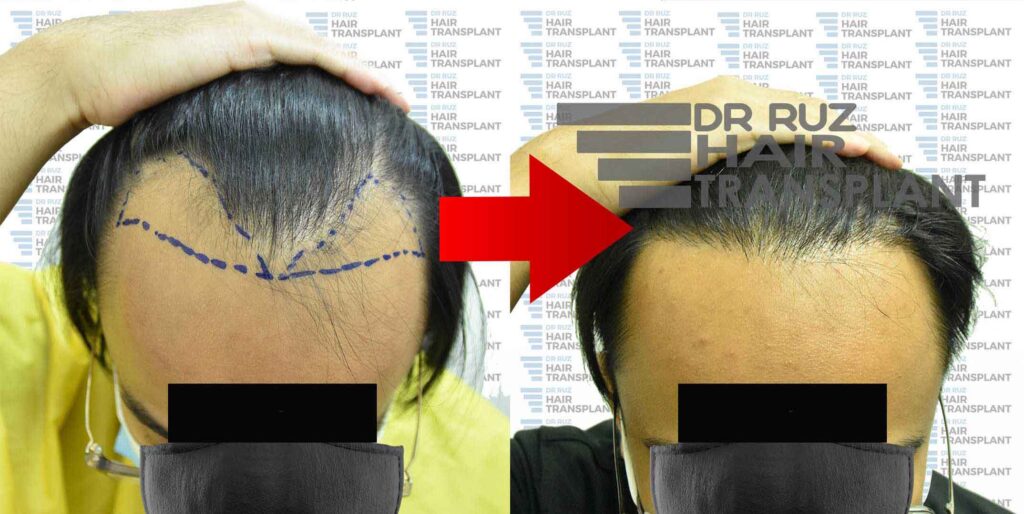
Welcome to the ultimate guide to hair transplant surgery, where we’ll reveal everything you need to know about regaining your confidence and mane. If you’re one of the countless individuals struggling with hair loss, be assured that you’re not alone. Hair transplant surgery has revolutionized the treatment of baldness, offering a permanent and natural solution for both men and women.
In this comprehensive guide, we’ll delve into the various types of hair transplant procedures, from follicular unit transplantation (FUT) to follicular unit extraction (FUE). We’ll explore the benefits, potential risks, and expected outcomes of each technique, providing you with the knowledge to make an informed decision. Our aim is to empower you with the facts, so you can embark on your hair restoration journey with confidence.
From understanding the causes of hair loss to determining if you’re a suitable candidate, we’ll cover every aspect of the hair transplant process. With insights from experts in the field, we’ll also debunk common myths and misconceptions, ensuring you have accurate information.
Whether you dream of a thicker, fuller hairline or want to restore lost hair, this guide will serve as your trusted resource. So sit back, relax, and get ready to discover the world of hair transplant surgery. Let’s reclaim your hair, your confidence, and your life.
Understanding hair loss and its causes
Hair loss can be a distressing experience, impacting your self-esteem and overall well-being. Understanding the causes of hair loss is the first step towards finding an effective solution. While genetics is often a major factor, other causes such as hormonal imbalances, medical conditions, and certain medications can also contribute to hair loss.
Genetic hair loss, or androgenetic alopecia, is the most common form of hair loss. It is caused by a combination of genetic and hormonal factors. In men, it typically manifests as a receding hairline or thinning crown, while women may experience overall thinning of the hair. Hair loss can also be triggered by hormonal imbalances, such as those caused by thyroid disorders or pregnancy.
Certain medical conditions, such as alopecia areata, can lead to sudden and patchy hair loss. This autoimmune condition occurs when the immune system mistakenly attacks the hair follicles. Additionally, certain medications, such as chemotherapy drugs, can cause temporary hair loss.
It’s important to consult with a qualified healthcare professional to accurately diagnose the cause of your hair loss. Once the underlying cause is identified, the appropriate treatment, including hair transplant surgery, can be recommended.
Understanding Hair Loss
Hair loss affects millions of people worldwide and can have a significant impact on self-esteem and overall well-being. Before diving into the specifics of hair transplant surgery, it’s crucial to understand the underlying causes of hair loss.
- Genetics and Hormones: The most common cause of hair loss is genetics. Androgenetic alopecia, also known as pattern baldness, is inherited and affects both men and women. Hormones, specifically dihydrotestosterone (DHT), play a key role in this type of hair loss.
- Medical Conditions: Certain medical conditions can lead to temporary or permanent hair loss. Conditions such as alopecia areata, thyroid disorders, and scalp infections can all contribute to hair thinning or bald patches.
- Lifestyle Factors: Poor nutrition, stress, and certain medications can contribute to hair loss. It’s essential to maintain a healthy lifestyle and address any underlying health issues to minimize hair loss.
- Trauma and Styling: Excessive pulling or tension on the hair, such as tight hairstyles or using harsh chemicals, can lead to hair breakage and eventually hair loss. It’s important to handle your hair gently and avoid damaging styling practices.
By identifying the cause of your hair loss, you can better understand which treatment options, including hair transplant surgery, are suitable for your specific situation. Now, let’s explore the different types of hair transplant procedures available.
Different types of hair transplant procedures
Hair transplant surgery has come a long way in recent years, offering various techniques to suit individual needs and preferences. The two most commonly performed procedures are follicular unit transplantation (FUT) and follicular unit extraction (FUE).
Follicular unit transplantation (FUT), also known as strip harvesting, involves removing a narrow strip of hair-bearing scalp from the back or sides of the head. The strip is then divided into individual grafts, each containing one to four hairs. These grafts are meticulously transplanted into the balding or thinning areas of the scalp. FUT is ideal for individuals with larger areas of hair loss and can provide excellent results.
Follicular unit extraction (FUE) is a more advanced and minimally invasive technique that involves harvesting individual hair follicles directly from the donor area using a specialized punch tool. The grafts are then transplanted into the recipient area. FUE is known for its natural-looking results and minimal scarring. It is suitable for individuals who prefer to wear shorter hairstyles or have smaller areas of hair loss.
Both FUT and FUE have their advantages and considerations. The choice of technique depends on factors such as the extent of hair loss, donor hair availability, and personal preferences. Consulting with a skilled hair transplant surgeon will help determine the most suitable approach for your specific needs.
Factors to consider before undergoing hair transplant surgery
Hair transplant surgery is a significant decision that requires careful consideration. Before proceeding with the procedure, there are several factors to keep in mind.
Firstly, it’s essential to have realistic expectations. While hair transplant surgery can provide significant improvements, it’s important to understand that it may not restore your hair to its original density or thickness. Discussing your expectations with your surgeon will help set realistic goals and ensure you are satisfied with the final outcome.
Secondly, consider the cost of the procedure. Hair transplant surgery is an investment in your appearance and self-confidence. The cost varies depending on factors such as the technique used, the extent of the procedure, and the reputation of the surgeon. It’s important to obtain a detailed cost estimate and understand the payment options before making a decision.
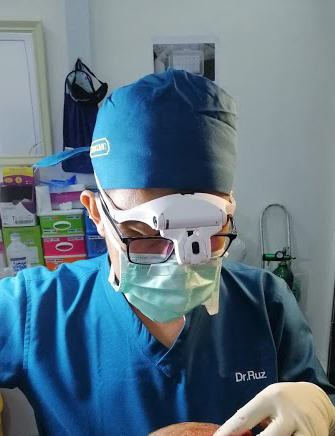
Another crucial factor is the surgeon’s experience and expertise. Choose a board-certified hair transplant surgeon who specializes in the specific technique you’re considering. Research their qualifications, reviews, and before-and-after photos to ensure they have a proven track record of successful outcomes.
Lastly, consider the recovery and downtime associated with the procedure. While hair transplant surgery is generally well-tolerated, it’s important to follow post-operative care instructions and allow sufficient time for healing. Discuss the recovery process with your surgeon, including any potential side effects or complications.
By carefully considering these factors, you can make an informed decision about whether hair transplant surgery is the right choice for you.
Preparing for hair transplant surgery
Preparing for hair transplant surgery involves several important steps to ensure the best possible outcome. Here’s what you can expect during the preparation phase.
Firstly, you’ll have an initial consultation with your hair transplant surgeon. This is an opportunity to discuss your goals, expectations, and any concerns you may have. Your surgeon will evaluate your hair loss pattern, donor hair availability, and overall suitability for the procedure. They may also perform a thorough examination of your scalp and discuss any necessary pre-operative tests.
If you decide to proceed with the surgery, your surgeon will provide you with detailed pre-operative instructions. These may include avoiding certain medications, alcohol, and smoking in the days leading up to the procedure. It’s important to follow these instructions carefully to minimize the risk of complications and ensure optimal results.
In some cases, your surgeon may recommend hair growth medications, such as minoxidil or finasteride, to improve the quality of your existing hair and enhance the overall outcome of the transplant. These medications may need to be started before the surgery and continued afterward.
On the day of the surgery, it’s important to arrive at the clinic with clean hair and a relaxed state of mind. You may be advised to wear loose, comfortable clothing and avoid wearing any accessories or hair products. It’s also advisable to arrange for someone to drive you home after the procedure, as you may experience mild sedation or anesthesia.
Preparing for hair transplant surgery involves careful planning and adherence to instructions. By following these guidelines, you can optimize your chances of a successful procedure and smooth recovery.
The hair transplant procedure: step by step
The hair transplant procedure typically consists of several distinct steps, each designed to ensure the best possible outcome. Let’s take a closer look at the process involved in a typical hair transplant surgery.
- Preparation: Before the procedure begins, the surgical team will prepare the donor and recipient areas. The donor area, usually located at the back or sides of the head, is trimmed to the desired length. The recipient area, where the grafts will be transplanted, is carefully marked and prepared.
- Anesthesia: Local anesthesia is administered to ensure your comfort throughout the procedure. This numbs the donor and recipient areas, minimizing any discomfort or pain.
- Donor hair extraction: In FUT, a narrow strip of hair-bearing scalp is removed from the donor area. The wound is then closed using sutures or staples. In FUE, individual hair follicles are extracted directly from the donor area using a specialized punch tool. The extracted grafts are carefully stored in a suitable solution to maintain their viability.
- Graft preparation: The extracted grafts are meticulously dissected under a microscope to create individual follicular units. Each unit contains one to four hairs, ensuring natural-looking results.
- Recipient site creation: Tiny incisions are made in the recipient area, following the natural hairline and pattern. The surgeon’s skill and precision in creating these sites play a crucial role in achieving aesthetically pleasing results.
- Graft placement: The prepared grafts are then carefully placed into the recipient sites. The surgeon pays meticulous attention to the angle, direction, and density of the transplanted hairs to ensure a natural appearance.
- Post-operative care: Once the grafts are placed, the surgical team will provide you with detailed post-operative care instructions. This may include information on how to cleanse the scalp, manage any discomfort or swelling, and protect the transplanted area.
The duration of the hair transplant procedure depends on various factors, such as the number of grafts required and the chosen technique. It can range from a few hours for smaller procedures to a full day for more extensive cases. Throughout the procedure, the surgical team will prioritize your comfort and well-being, ensuring a positive experience.
Recovery and post-operative care
The recovery period following hair transplant surgery is a critical phase in the overall success of the procedure. Here’s what you can expect during the recovery process and how to take care of your newly transplanted hair.
Immediately after the surgery, you may experience some mild discomfort, swelling, and redness in the donor and recipient areas. This is normal and should subside within a few days. Your surgeon may prescribe pain medication or recommend over-the-counter pain relief to manage any discomfort.
To promote proper healing and minimize the risk of infection, it’s essential to follow the post-operative care instructions provided by your surgeon. These may include:
1. Scalp care: Your surgeon will provide specific instructions on how to cleanse your scalp and care for the transplanted area. This may involve gently washing the scalp with a mild shampoo and avoiding any excessive rubbing or scratching.
2. Activity restrictions: It’s important to avoid strenuous activities, heavy lifting, and excessive bending or straining for at least a week following the surgery. These activities can put unnecessary stress on the healing grafts and increase the risk of complications.
3. Avoiding direct sunlight: The transplanted area is particularly sensitive to sun exposure during the initial healing phase. It’s essential to protect your scalp from direct sunlight by wearing a hat or using sunscreen with a high SPF.
4. Avoiding smoking and alcohol: Smoking and alcohol consumption can impair the body’s healing process and increase the risk of complications. It’s advisable to avoid smoking and limit alcohol intake during the recovery period.
5. Follow-up appointments: Your surgeon will schedule follow-up appointments to monitor your progress and address any concerns or questions you may have. These appointments are essential to ensure the best possible outcome and make any necessary adjustments to your aftercare routine.
During the recovery period, it’s normal for the transplanted hairs to shed. This is a temporary phase called “shock loss” and should not cause concern. The transplanted follicles will gradually enter a resting phase before regrowing new hairs. It may take several months for the new hair to start growing, and the final results may not be fully visible until around 12 to 18 months after the surgery.
By following the post-operative care instructions provided by your surgeon and maintaining patience throughout the recovery period, you can optimize the growth and appearance of your newly transplanted hair.
Expected results and timeline for hair growth
One of the most common questions individuals have about hair transplant surgery is how long it takes to see the final results. Understanding the timeline for hair growth and the expected results will help manage your expectations and ensure a positive experience.
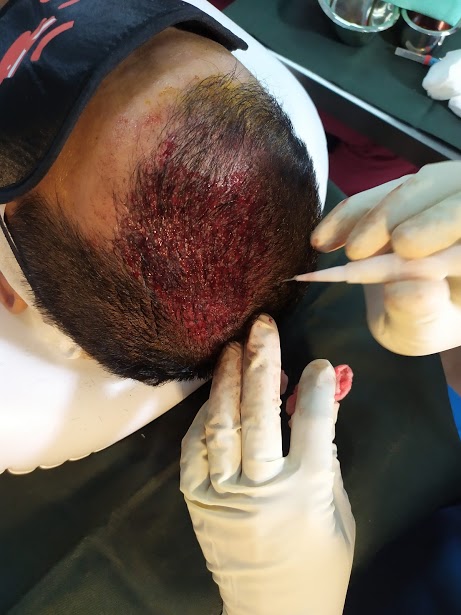
Immediately after the surgery, you will have a dressing or bandage on your scalp to protect the newly transplanted grafts. This will be removed within a day or two, allowing you to see the transplanted area.
In the weeks following the surgery, the transplanted hairs will enter a resting phase and start to shed. This is a normal part of the hair growth cycle and should not cause concern. The transplanted follicles will then gradually enter a growth phase, and new hairs will begin to emerge.
The initial growth of the transplanted hairs is typically quite fine and may not match the thickness or density of your natural hair. Over time, the transplanted hairs will continue to grow and thicken, blending seamlessly with your existing hair. It’s important to have patience during this phase, as the final results may take several months to become noticeable.
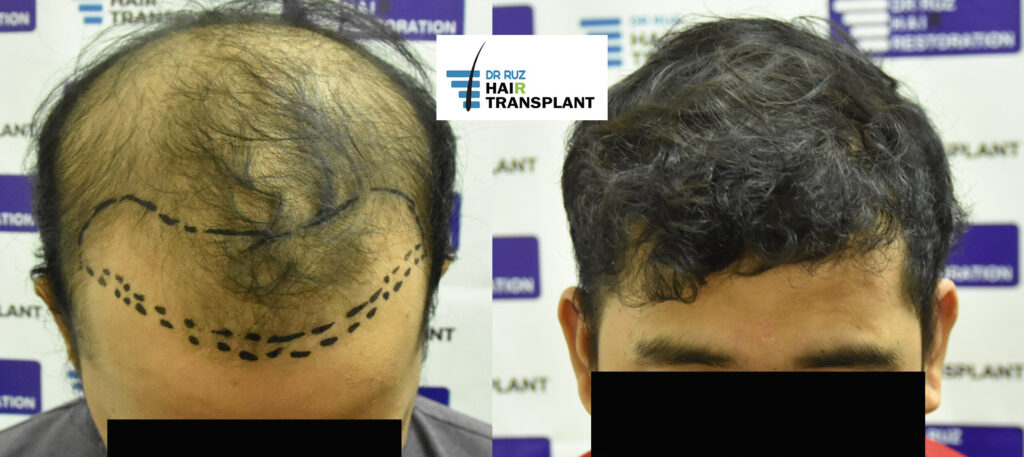
Around three to four months after the surgery, you may start to see significant hair growth in the transplanted area. The hair will continue to grow and mature over the coming months, gradually becoming thicker and more natural-looking. By around 12 to 18 months post-surgery, you can expect to see the full results of the transplant.
It’s important to note that the exact timeline and rate of hair growth can vary depending on factors such as individual healing abilities, the chosen technique, and the extent of the procedure. Your surgeon will provide you with a personalized timeline based on your specific case.
By maintaining realistic expectations and understanding the timeline for hair growth, you can approach the hair transplant process with confidence and patience.
Potential risks and complications of hair transplant surgery
While hair transplant surgery is generally safe and well-tolerated, as with any surgical procedure, there are potential risks and complications to be aware of. Understanding these risks will help you make an informed decision and minimize the likelihood of complications.
Some potential risks and complications of hair transplant surgery include:
1. Infection: Although rare, there is a risk of infection following hair transplant surgery. To minimize this risk, it’s essential to follow the post-operative care instructions provided by your surgeon and keep the surgical areas clean.
2. Bleeding: Some bleeding is normal immediately after the surgery. However, excessive or prolonged bleeding may require medical attention. Your surgeon will provide you with instructions on how to manage any bleeding.
3. Scarring: While modern hair transplant techniques aim to minimize scarring, some degree of scarring is inevitable. With FUT, a linear scar may be visible in the donor area, which can be concealed by surrounding hair. FUE typically results in small, circular scars that are less noticeable.
4. Poor growth or unnatural appearance: In some cases, the transplanted hairs may not grow as expected or may appear unnatural. This can be due to various factors, such as inadequate blood supply to the grafts or improper placement. Choosing an experienced hair transplant surgeon can significantly reduce the risk of poor growth or an unnatural appearance.
5. Numbness or sensitivity: Temporary numbness or sensitivity in the donor or recipient areas is common following hair transplant surgery. This usually resolves within a few weeks or months but may persist in rare cases.
It’s important to discuss these potential risks and complications with your surgeon during the initial consultation. They will provide you with detailed information specific to your case and answer
The Cost
The cost of a hair transplant can vary greatly depending on a variety of factors, such as the surgeon’s experience and location, the extent of the hair loss, and the number of follicles that will be transplanted. On average, the cost can range from RM2500 to RM15,000. Keep in mind that most insurance companies do not cover hair transplant procedures, so you will need to budget accordingly.
The Recovery
The recovery time for a hair transplant can vary depending on the extent of the procedure. Most people can return to work within a week or two, but it may take several months for the transplanted hair to fully grow in. It is important to follow your surgeon’s instructions carefully to ensure optimal recovery.
Conclusion
If you are considering a hair transplant, it is important to do your research and find a qualified surgeon who has experience with the procedure. While the cost can be high, the benefits of having a fuller head of hair can be life-changing. We hope this blog post has provided you with the information you need to make an informed decision about whether a hair transplant is right for you.
Dr Ruz